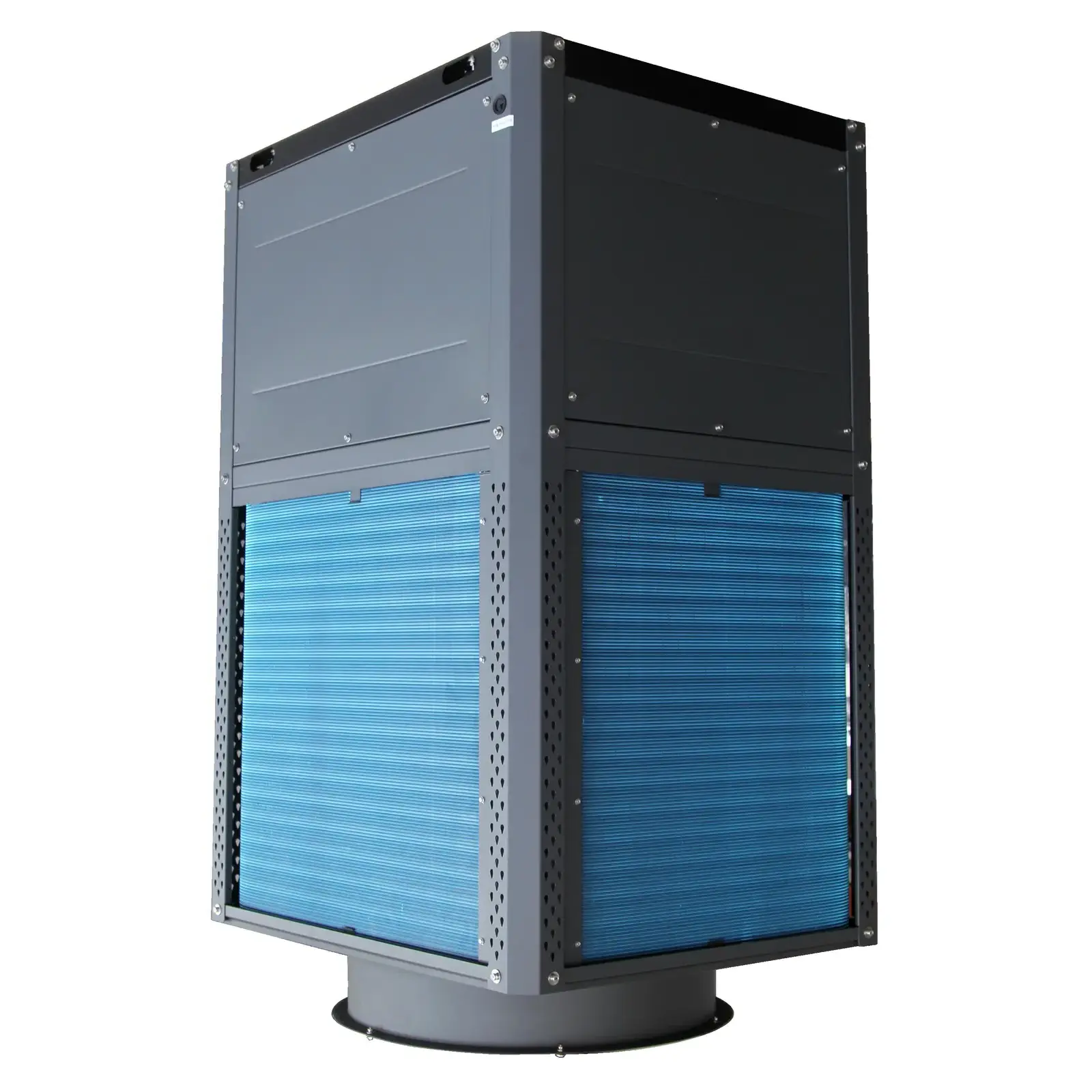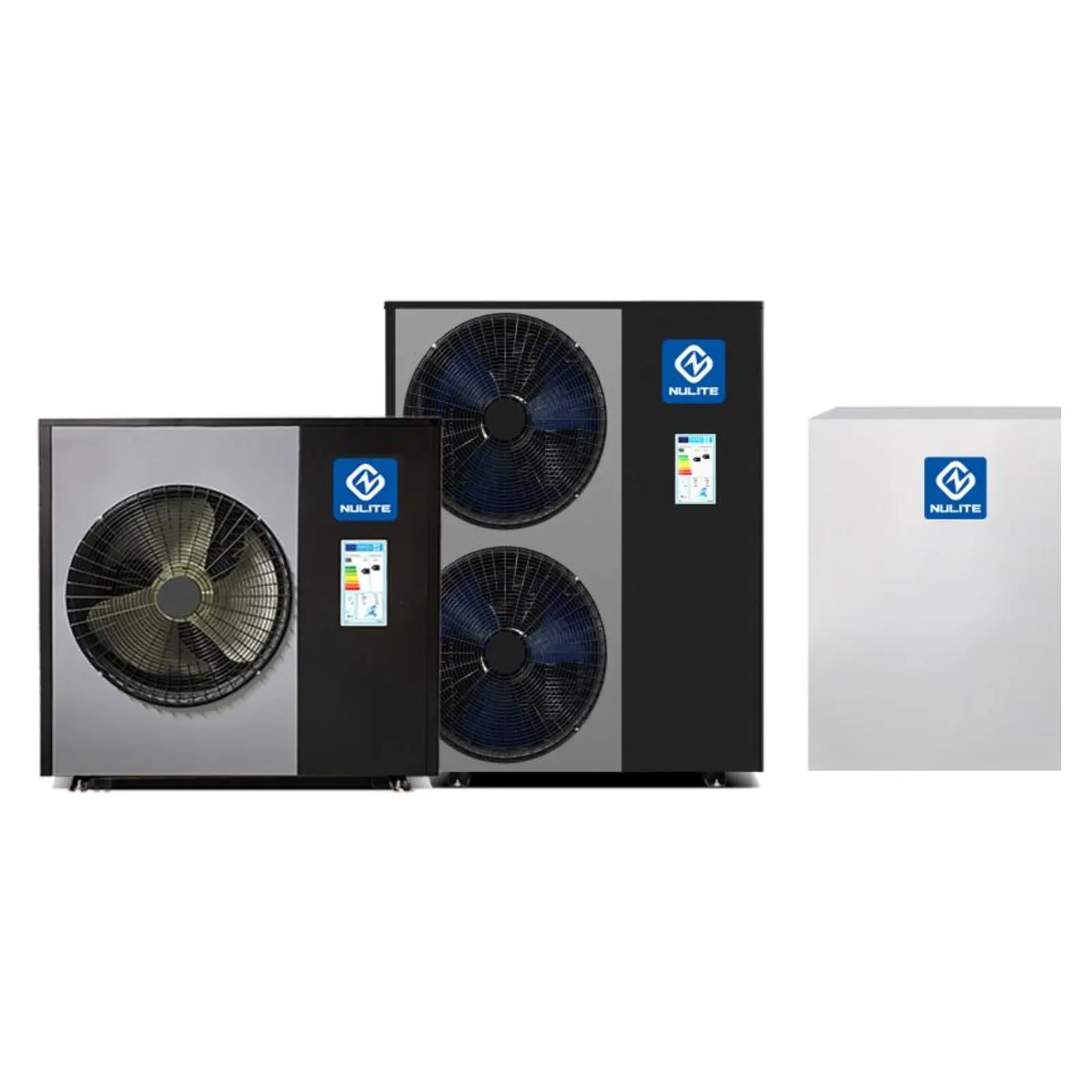
NULITE Pilot II Series Split is an air-source DC inverter heat pump with separate outdoor and indoor units. The outdoor unit exchanges heat with ambient air, while the hydronic module is installed in a protected indoor space. The system provides space heating, cooling, and domestic hot water. Three R410A models cover a modulating heating-output range from 2.6 to 20 kW.
Split-system benefits
The split arrangement keeps the circulation pump, plate heat exchanger, expansion vessel, and auxiliary electric heater inside the building. This improves access to hydronic components and reduces exposure of the water circuit to precipitation and freezing ambient conditions. The compact indoor module measures 500×300×750 mm.
Key features
- Mitsubishi twin-rotary DC inverter compressor with a manufacturer-stated 10–120 Hz operating range.
- Electronic expansion valve for accurate refrigerant-flow control.
- Integrated Wilo RS25/8 pump, 5-litre expansion vessel, and 3 kW auxiliary heater.
- Microprocessor control with a touch controller.
- Ambient operating range from −25 to +43 °C and IPX4 outdoor-unit protection.
- Rated water temperatures: 55 °C for DHW, 45 °C for heating, and 12 °C for cooling.
Applications
- Private homes, cottages, and villas.
- Townhouses and low-rise residential developments.
- Small hotels, offices, shops, and cafés.
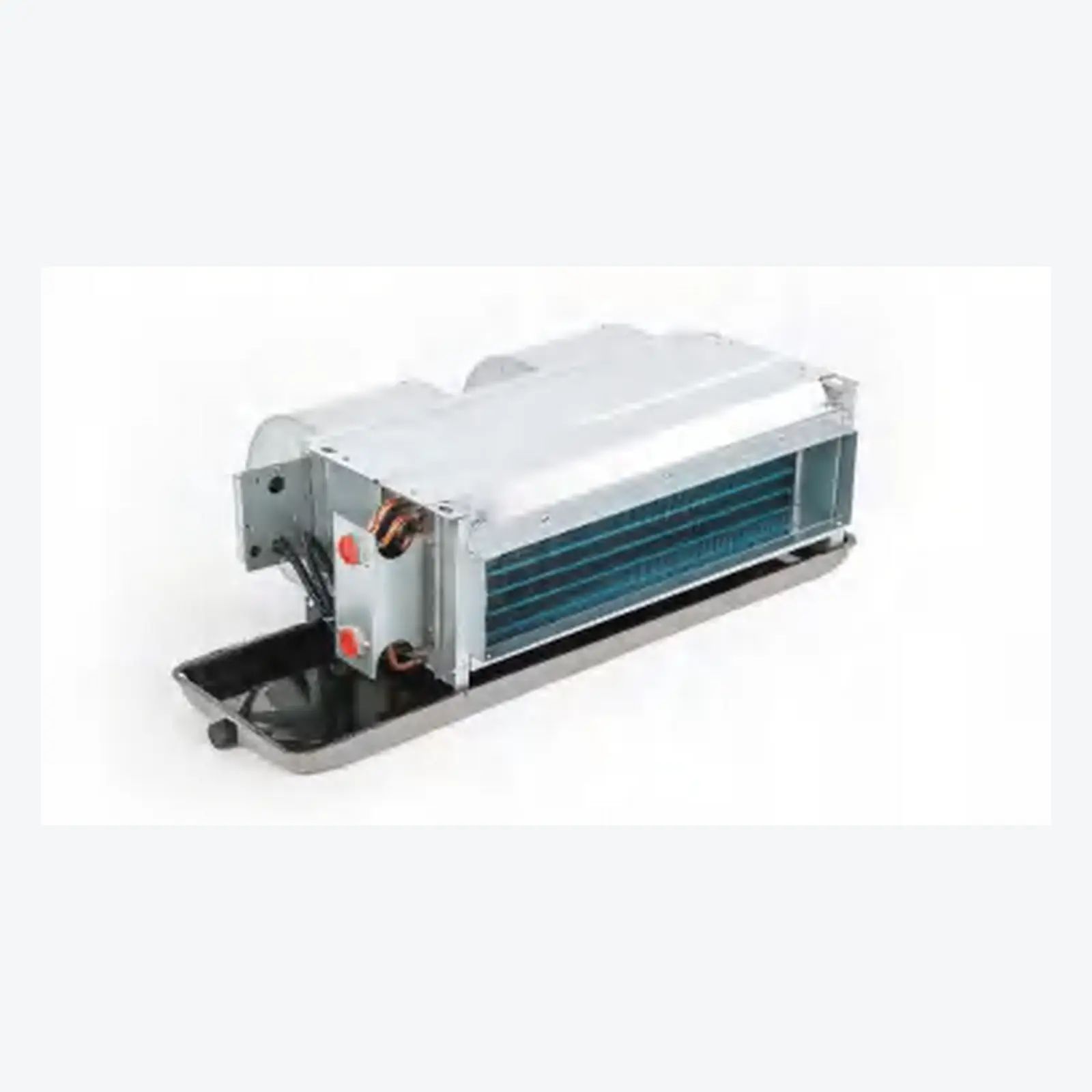
- Underfloor heating, fan-coil, and low-temperature radiator systems.
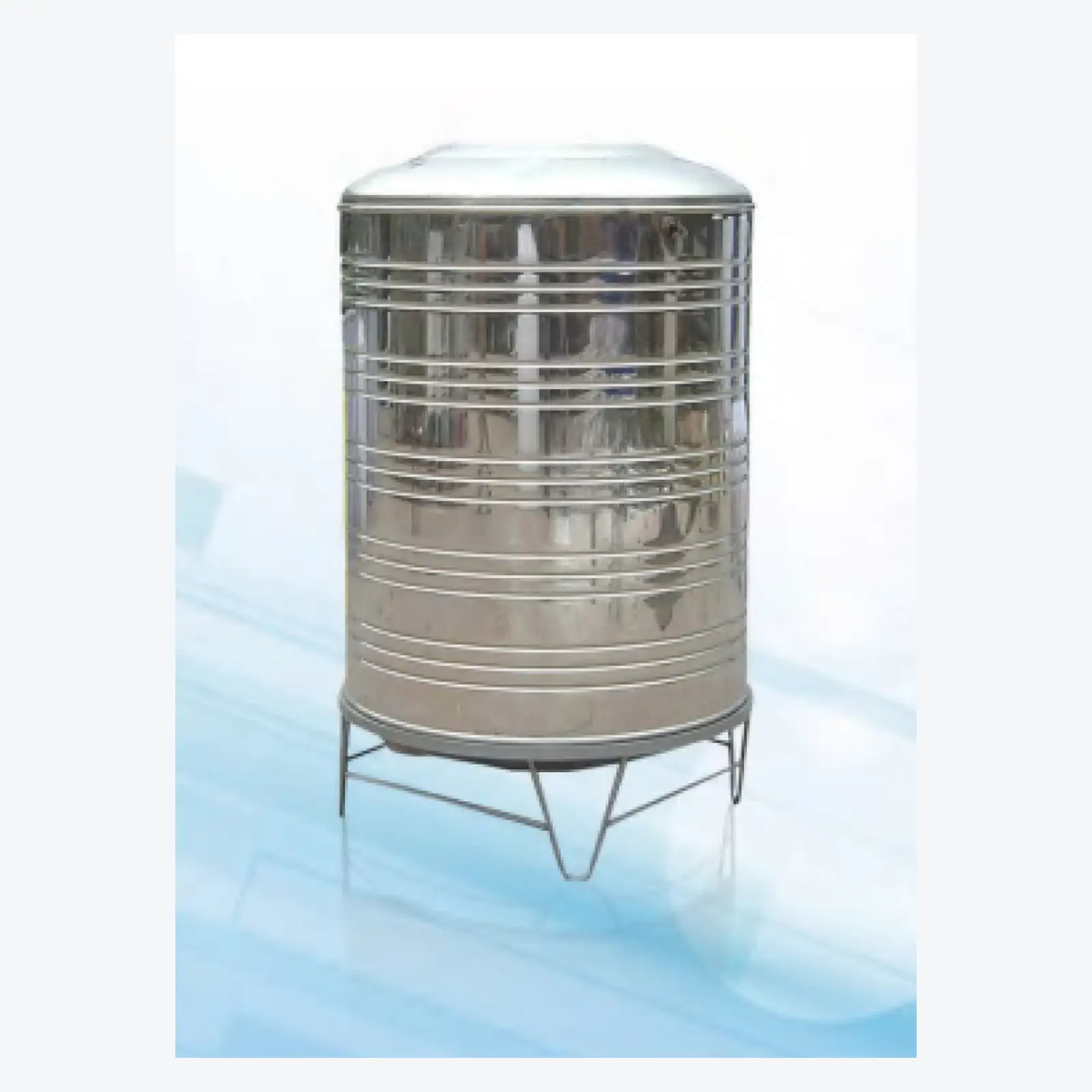
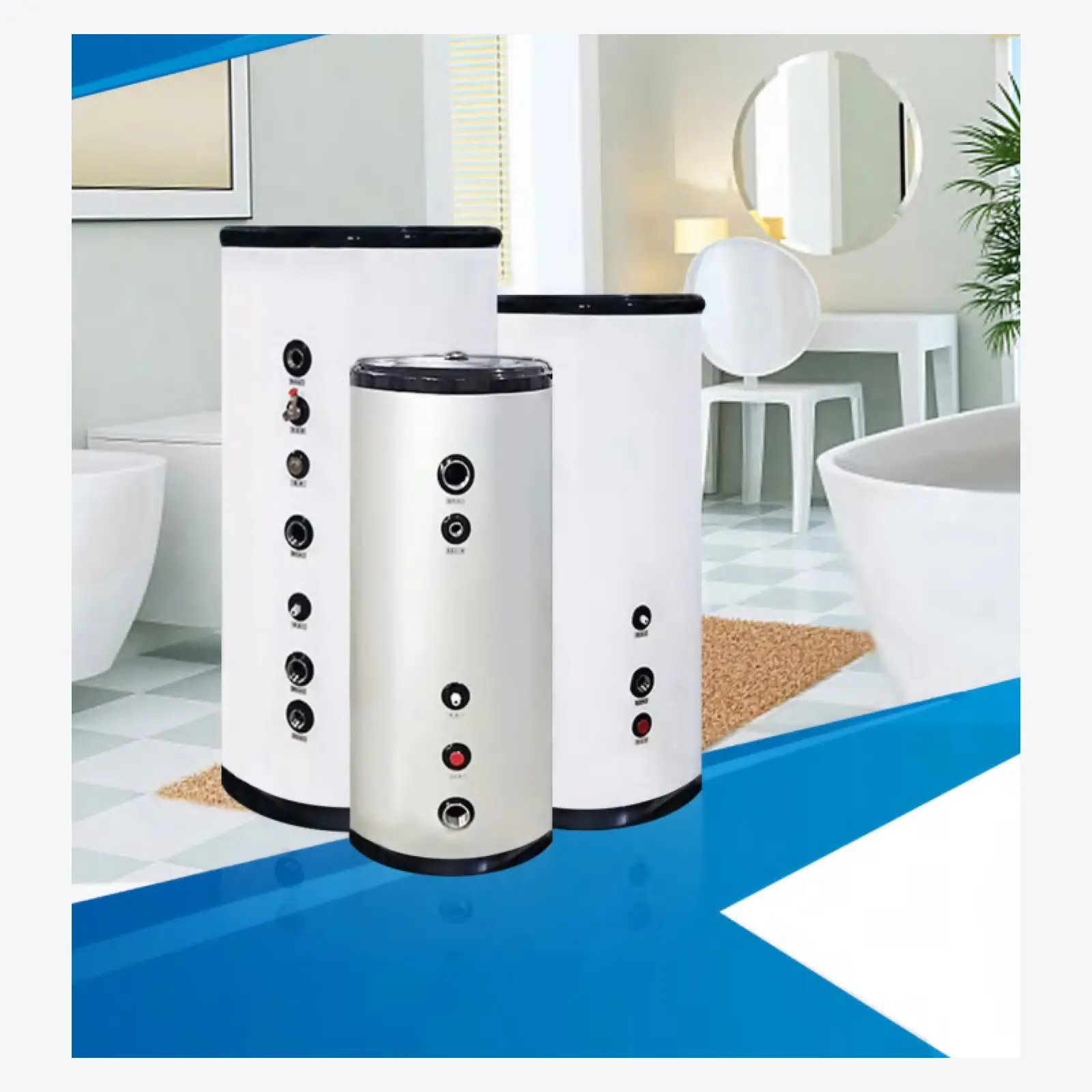
- Projects with a DHW cylinder, buffer tank, and solar-thermal assistance.
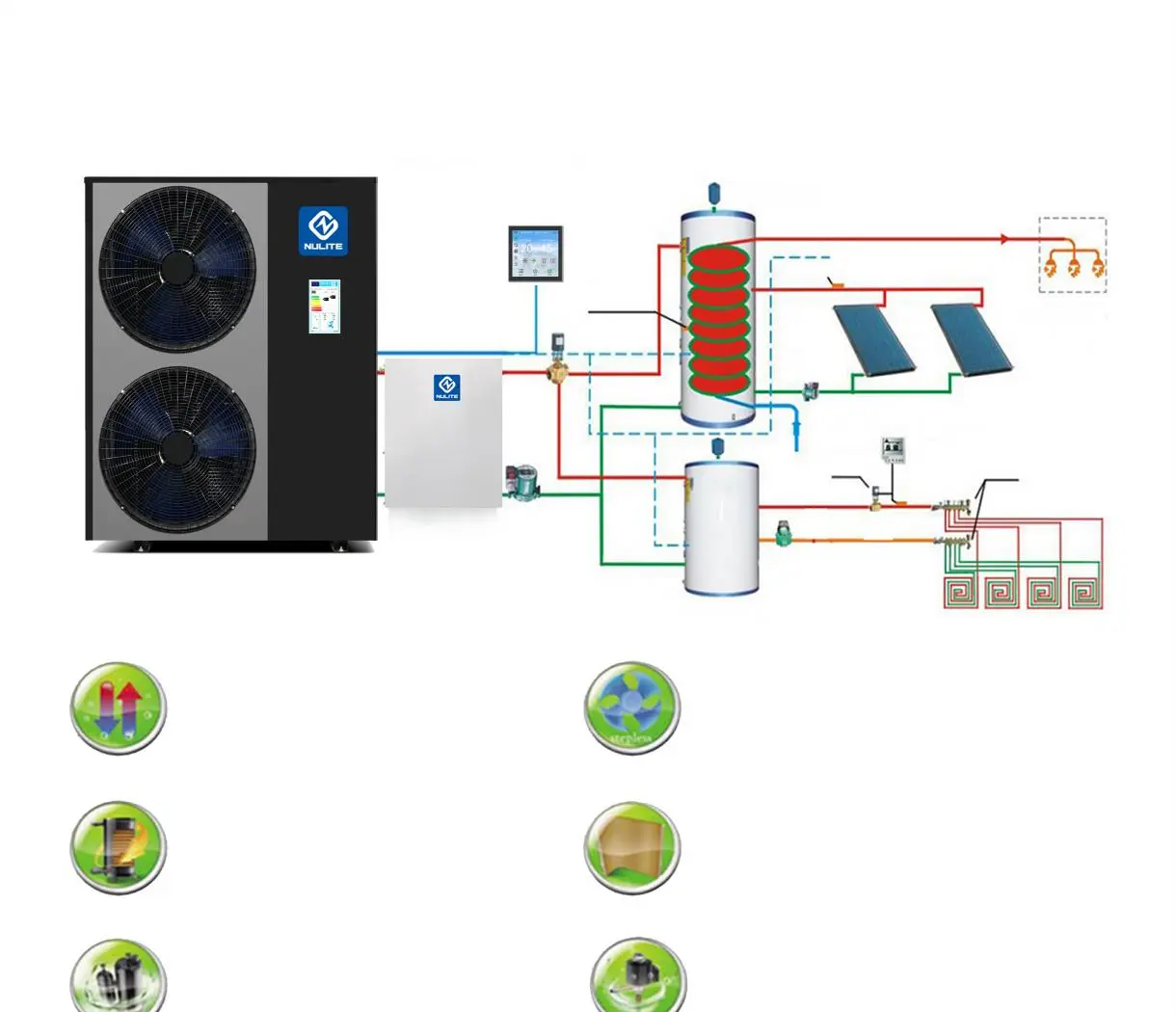
Selection and engineering
Selection is based on design heat loss, heating-water temperature, cooling load, and peak domestic-hot-water demand. Engineering must account for 1.8–3.6 m³/h water flow, the available electrical supply, and refrigerant-line length between units. NL-C3BFII/R is shown with 220 V single-phase power, while NL-C4BFII/R and NL-C5BFII/R use 380 V three-phase power.
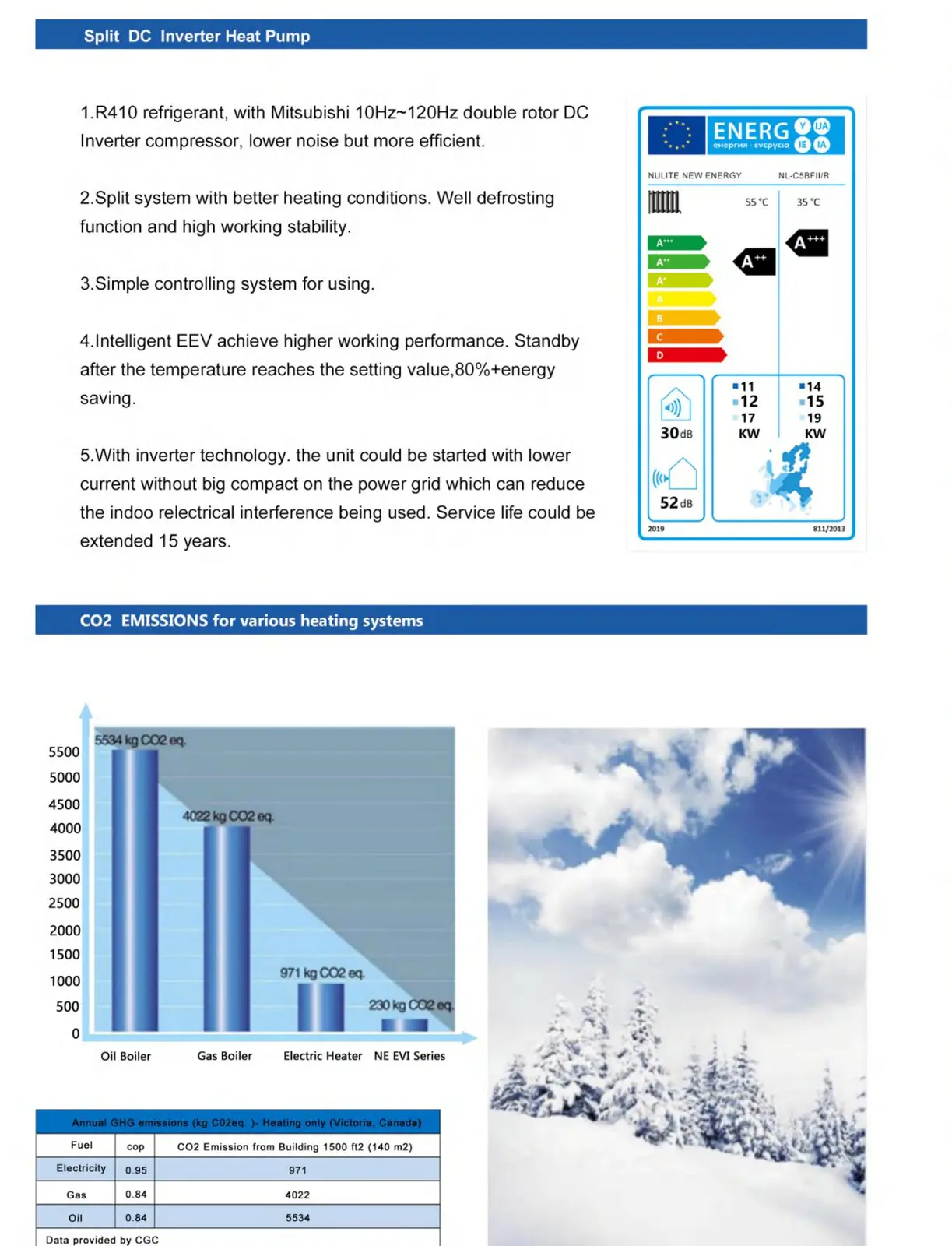
Specifications are based on the manufacturer's table for the R410A models. Actual output and consumption depend on ambient and water temperatures, hydronic design, and installation quality. Marketing energy-saving claims must be confirmed by project-specific calculations.